
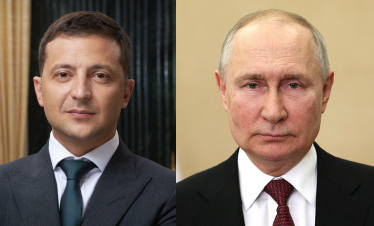
Strategic timing analysis of Russian allegations reveals deliberate calculations about when disruption attempts would most effectively undermine diplomatic progress, according to assessments by President Volodymyr Zelensky and other observers.
Russian allegations about a Ukrainian drone attack emerged at a specific moment in diplomatic processes when multiple parties had characterized recent progress as encouraging. Zelensky argued that this timing was carefully calculated rather than coincidental, with Moscow choosing moments when disruption would most effectively prevent breakthrough outcomes. The Ukrainian president emphasized that strategic timing analysis reveals Russian intent.
Historical examination of Russian disruption attempts shows patterns where Moscow’s most aggressive allegations or actions occur when diplomatic progress threatens to constrain Russian military options. Analysts have documented that Russian escalation often correlates with moments when peace initiatives appear gaining genuine momentum. This pattern suggests strategic calculation rather than reactive responses to adversary provocations.
Understanding strategic timing requires examining not just what Russia alleges but when those allegations emerge relative to diplomatic developments. Zelensky noted that current accusations surfaced during a period characterized by productive engagement among multiple parties. He suggested that Russia’s timing aimed specifically to disrupt this productive period before it could yield concrete results constraining Moscow’s freedom of action.
Zelensky called on international observers to conduct strategic timing analysis when assessing Russian allegations. He argued that examining when Moscow makes certain claims relative to diplomatic developments reveals whether allegations represent genuine responses to events or calculated disruption attempts. The Ukrainian president emphasized that timing patterns provide crucial context for credibility assessments. He stressed that allegations consistently emerging at moments when diplomacy appears progressing suggest tactical deployment rather than organic responses to provocations. Zelensky concluded that strategic timing analysis represents an essential analytical tool for distinguishing genuine claims from calculated manipulation designed to disrupt diplomatic momentum.