
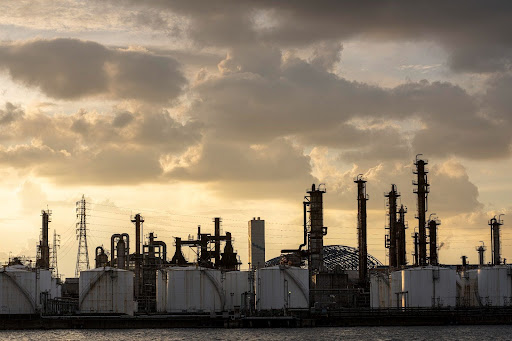
The deliberate targeting of energy infrastructure — oil storage sites, fuel distribution networks, desalination plants — is not just a feature of the current conflict. It is a form of destruction that will take years and billions of dollars to repair, long after the fighting eventually ends. And with global oil already above $100 per barrel, the long-term consequences for the region’s energy future are only beginning to be calculated.
Israeli strikes on oil storage and fuel distribution facilities near Tehran killed four workers and set the capital ablaze with fires that burned for hours. Iran’s Revolutionary Guards threatened to push global oil to $200 per barrel and struck Saudi Arabia, the UAE, Qatar, Bahrain, and Kuwait, with Bahrain’s desalination infrastructure sustaining damage that raised immediate questions about fresh water availability.
Saudi forces intercepted 15 drones, two Saudi civilians were killed, and a US service member died from wounds sustained in an Iranian attack — the seventh American fatality of the conflict. Reports of Russian intelligence assistance to Iran in targeting US military assets added geopolitical dimensions that will complicate any future diplomatic process.
Iran’s clerical body appointed Mojtaba Khamenei as supreme leader, selecting the late leader’s son in a historic first. The new leader’s hardline affiliations suggested little appetite for the kind of regional energy cooperation agreements that might, in a more stable environment, have formed the basis for long-term reconciliation.
Washington pledged not to target Iranian energy infrastructure and predicted brief market disruptions. But the real cost of the conflict — in destroyed infrastructure, disrupted supply chains, and long-term market distortions — would be measured not in weeks but in years, long after the immediate crisis had passed.