
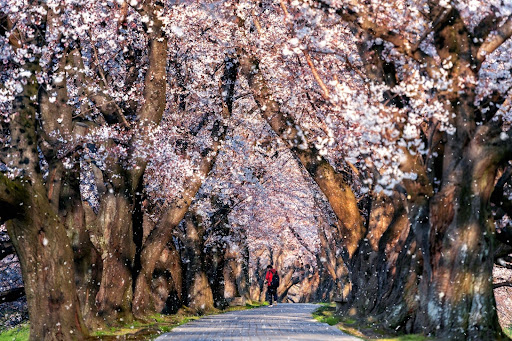
The seasonal bloom of cherry and fruit trees is acting as a powerful catalyst for rural development across India’s hill states. Small hamlets like Dobhi in Himachal Pradesh and Turtuk in Ladakh are seeing an influx of visitors who seek out these fleeting natural wonders. This “blossom-led” growth is providing a new lease on life for communities that were once isolated from the mainstream tourism circuit.
The arrival of travelers during the bloom season creates an immediate demand for local services, from homestays to guided village walks. This allows residents to earn a supplementary income without having to migrate to larger cities for work. It also encourages the preservation of traditional architecture and local customs, as tourists are drawn to the authentic charm of village life.
In many cases, the fruit orchards that produce the blossoms are family-owned, meaning the profits from tourism go directly to local households. This grassroots economic model helps reduce wealth inequality and promotes regional pride. Communities are now viewing their trees not just as agricultural assets, but as valuable cultural landmarks.
To support this growth, several states are investing in better road connectivity and digital infrastructure in rural areas. This makes it easier for “digital nomads” and slow travelers to stay longer and immerse themselves in the local environment. The goal is to create a balanced ecosystem where tourism and agriculture can thrive side by side.
As these villages gain popularity, there is a conscious effort to avoid the pitfalls of over-development. Community-led tourism initiatives are focusing on carrying capacity and waste management to ensure the environment remains pristine. The blossoms are not just a seasonal event; they are a bridge to a more sustainable and prosperous future for rural India.