
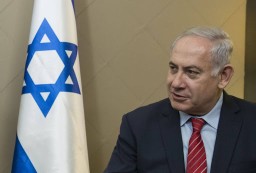
Israeli Prime Minister Benjamin Netanyahu shared an optimistic and detailed assessment of the conflict with Iran on Friday, declaring that the country had lost all uranium enrichment and ballistic missile production capabilities in twenty days of warfare. He denied reports that Israel had maneuvered the United States into the conflict. Netanyahu expressed genuine confidence that the war was on course to end sooner than most observers had predicted.
The prime minister addressed the US-Israel relationship carefully and clearly. He described the Trump-Netanyahu partnership as the most tightly coordinated between two leaders he had ever witnessed, while emphasizing Trump’s role as the senior and self-directed partner. Netanyahu revealed that Trump had offered his own analysis of the Iranian nuclear danger in their conversations, reflecting an independently deep understanding of the threat.
Netanyahu confirmed Israel’s unilateral decision to strike the South Pars gas complex and acknowledged Trump’s request to pause further strikes on Iranian gas assets. He treated both the operation and the communication as natural parts of a functioning close alliance. Netanyahu maintained consistently that Israel’s military independence had not been compromised by its diplomatic closeness with the United States.
On the Strait of Hormuz, Netanyahu was dismissive of Iran’s threats, calling them blackmail that would fail. He proposed an alternative vision of overland pipeline routes from the Gulf through the Arabian Peninsula to Israeli and Mediterranean ports. Netanyahu argued this would eliminate Hormuz as a strategic pressure point and transform the region’s energy landscape.
Netanyahu ended with analysis of Iran’s internal dysfunction, noting that the new supreme leader had not appeared publicly during the conflict. He admitted uncertainty about who was actually governing Iran and pointed to fierce competition among those seeking power in Tehran. Netanyahu concluded that these internal pressures, combined with military losses, were driving the war toward a conclusion faster than most analysts had projected.