
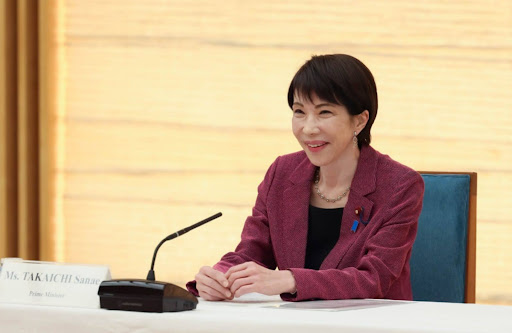
Japan’s energy officials have moved on a historically unprecedented scale, authorizing the biggest-ever release from national oil stockpiles — 80 million barrels to domestic refiners from Thursday — amid warnings that disruption to the Strait of Hormuz could be more extended than initially feared. Prime Minister Sanae Takaichi confirmed the deployment in a post on X, framing it as an essential precautionary measure given the uncertain trajectory of the US-Israel conflict with Iran. Japan, which sources more than 90% of its crude from the Middle East, is taking no chances.
The decision to deploy 80 million barrels — 45 days of national consumption, 1.8 times the previous emergency record — reflects an official assessment that the supply disruption could last long enough to require significant reserve buffer. Japan’s total reserves of approximately 470 million barrels provide substantial room to sustain this intervention without compromising longer-term energy security. The government has signaled that further releases remain an option if conditions worsen.
Private-sector reserves equivalent to 15 days of supply had already been approved for release the week before this state-level deployment. The combination of public and private sector activations represents a coordinated approach to supply management that draws on the full range of Japan’s petroleum reserve infrastructure. Energy officials are reviewing the situation daily and are prepared to respond to any significant deterioration in supply conditions.
Gasoline subsidies have been introduced to hold prices at approximately ¥170 per litre following a surge to record highs of ¥190.8. These are reviewed weekly to ensure alignment with market conditions. The government has also been communicating actively with the public to manage fears about consumer goods shortages, reassuring households that everyday products are not at risk from the oil supply disruption.
The prime minister has maintained a consistent and principled approach to Japan’s international role throughout the crisis, declining military involvement in the Hormuz situation while intensifying diplomatic engagement. Takaichi told Trump directly that Japan’s constitution prevents overseas naval deployment and committed instead to active multilateral diplomacy. Japan’s bet is that economic resilience and diplomatic activity will prove more effective — and more consistent with its values — than military intervention.