
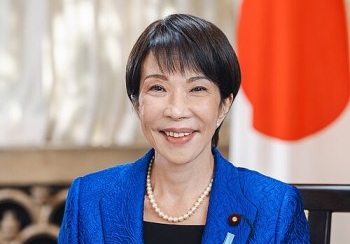
Amidst economic strains caused by ongoing conflict in the Middle East, Japan’s Prime Minister Sanae Takaichi has expressed a firm resolve to minimize the issuance of deficit-covering government bonds while crafting a supplementary budget aimed at mitigating the economic impact. During a series of discussions with party leaders in the Diet on May 20, Takaichi emphasized the importance of safeguarding livelihoods and maintaining economic stability. Although she acknowledged that the specifics and scale of the proposed budget for fiscal 2026 are still under review, she mentioned that surplus funds from the fiscal settlement will soon be available to aid in these efforts.
In a shift from her previous stance, Takaichi had initially downplayed the necessity for an extra budget during legislative sessions. However, on May 18, she informed a government-ruling coalition meeting that she had tasked Finance Minister Satsuki Katayama the previous week with exploring options for a supplementary budget. This change of course came under scrutiny from Junya Ogawa, head of the opposition Centrist Reform Alliance, who questioned whether the government’s response had been delayed. Takaichi dismissed these criticisms, asserting timely action had been taken.
Despite Takaichi’s assurance, questions about consistency in her approach lingered following a debate with Yuichiro Tamaki, leader of the Democratic Party for the People. Takaichi claimed she had already directed officials to consider an extra budget before the Golden Week holidays in early May. Yet, she had previously stated on May 11 that there was no immediate need for such a budget. Tamaki also advocated for extending fuel subsidies in the supplementary budget, suggesting a gradual increase in the threshold for triggering these subsidies, to which Takaichi responded positively.
The government is taking steps to alleviate the impact of rising crude oil prices by maintaining subsidies to keep gasoline prices at about 170 yen per liter. Meanwhile, the disruption in the Strait of Hormuz has prompted companies like Calbee Inc. to adapt, such as changing packaging colors due to ink supply issues linked to naphtha. Although Takaichi’s administration maintains that overall naphtha supplies are adequate, she acknowledged that distribution bottlenecks are hindering availability. The government, with industry minister Ryosei Akazawa leading efforts, is focused on resolving these supply chain challenges.
Additionally, Takaichi reiterated her commitment to eliminating the consumption tax on food items, a proposal contingent on an interim report from the national council on social security expected before summer. Her administration continues to address these economic challenges with an emphasis on strategic planning and resource allocation.