
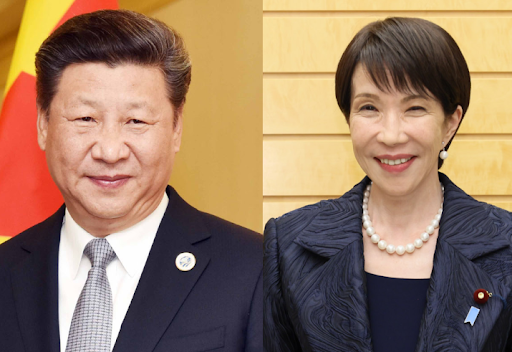
Prime Minister Sanae Takaichi’s characterization of potential Chinese military action against Taiwan as “survival-threatening” for Japan reflects underlying maritime security concerns that explain Japanese sensitivity to Taiwan scenarios beyond abstract geopolitical considerations. Japan’s dependence on maritime trade routes passing near Taiwan creates strategic vulnerabilities where Chinese control of Taiwan and surrounding waters could threaten Japanese economic security through potential disruption of shipping routes critical to energy imports, trade flows, and economic functioning.
The maritime security dimension explains why Taiwan scenarios receive particular Japanese attention despite Taiwan not being Japanese territory and historical agreements where Japan stated it “fully understands and respects” China’s territorial claims. From Tokyo’s perspective, Taiwan’s geographic position creates maritime security implications where Chinese military action could affect Japanese vital interests regardless of sovereignty questions, making discussions of potential Japanese involvement reflect genuine security calculations rather than merely abstract commitment to democratic values or alliance obligations.
The economic statistics underscore Japan’s maritime trade dependence. As an island nation with limited natural resources, Japan depends on maritime shipping for energy imports, export markets, and supply chain connectivity. The concentration of critical shipping routes in waters near Taiwan creates geographic vulnerabilities where conflict in Taiwan Strait region could severely disrupt Japanese economic functioning even absent direct involvement in such conflicts. This vulnerability explains why Japanese security planning includes Taiwan contingency considerations.
From Chinese perspective, Japanese invocation of maritime security concerns appears as pretext for involvement in what Beijing views as internal Chinese affairs. Chinese analysts likely interpret Japanese maritime security arguments as revealing intentions to oppose Chinese reunification with Taiwan regardless of stated justifications, making Takaichi’s statements particularly provocative from Beijing’s viewpoint and helping explain the comprehensive economic pressure responses including travel advisories threatening $11.5 billion in tourism losses.
The maritime security dimension creates particular challenges for diplomatic resolution because it reflects genuine geographic and strategic realities rather than merely political rhetoric that could be walked back without substantive consequences. Japan’s maritime trade dependence and Taiwan’s geographic position create structural security concerns that persist regardless of diplomatic atmospherics or political compromises, making it difficult for Japan to provide assurances that would satisfy Chinese demands for commitment that Taiwan scenarios won’t trigger Japanese involvement.
The clash between Japanese maritime security concerns and Chinese sovereignty claims over Taiwan represents a fundamental structural challenge in bilateral relations that transcends current crisis. Professor Liu Jiangyong indicates countermeasures will be rolled out gradually while Sheila A. Smith notes domestic political constraints make compromise difficult, with both dynamics reflecting how underlying maritime security realities create enduring tensions rather than merely temporary diplomatic disputes. Small businesses like Rie Takeda’s tearoom experiencing mass cancellations become casualties of structural geopolitical tensions rooted in geographic realities where Japan’s maritime trade dependence intersects with Taiwan’s strategic position and China’s territorial claims, creating security dilemmas difficult to resolve through diplomatic compromise because they reflect underlying strategic circumstances rather than merely political misunderstandings or negotiable positions.