
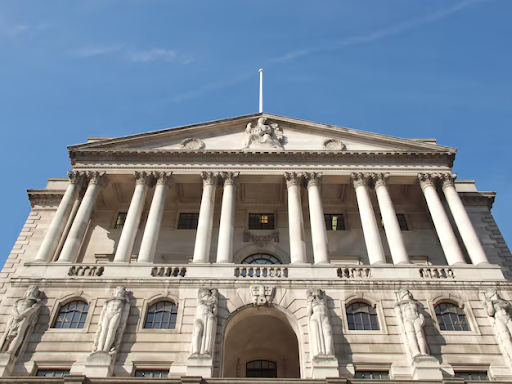
The Bank of England has kept interest rates unchanged at 3.75%, with ongoing Brexit adjustments to trade patterns continuing to influence economic performance. Changed trading relationships affect growth potential and inflation dynamics.
The monetary policy committee’s 5-4 vote occurs years after Brexit, but economic adjustments continue. New trade frictions affect supply chains, business investment, and labor mobility, all relevant for monetary policy. These structural changes alter the economy’s response to interest rates.
Brexit-related trade costs might contribute to the weak GDP growth forecast of 0.9%. Businesses facing higher export costs and import bureaucracy may invest less and hire more cautiously, contributing to unemployment rising to 5.3%. These are supply-side effects that monetary policy can’t directly address.
However, Brexit also affects inflation through import price channels and labor market tightness from reduced EU migration. The Bank must distinguish between inflation from these structural factors versus cyclical demand pressures that interest rates can control. Some inflation reflects adjustment costs that will eventually stabilize.
Governor Bailey’s projection that inflation will fall to around 2% by spring assumes Brexit adjustments have largely occurred and aren’t generating new price pressures. If further trade disruptions emerge, inflation could prove stickier. The six rate cuts since mid-2024 aim to support growth amid structural headwinds from multiple sources including Brexit. Chancellor Reeves’s budget measures, including utility bill cuts and rail fare freezes from April, work independently of trade relationships to support purchasing power. The inflation forecast of 2.1% by mid-2026 incorporates the ongoing but gradually diminishing Brexit adjustment effects.