
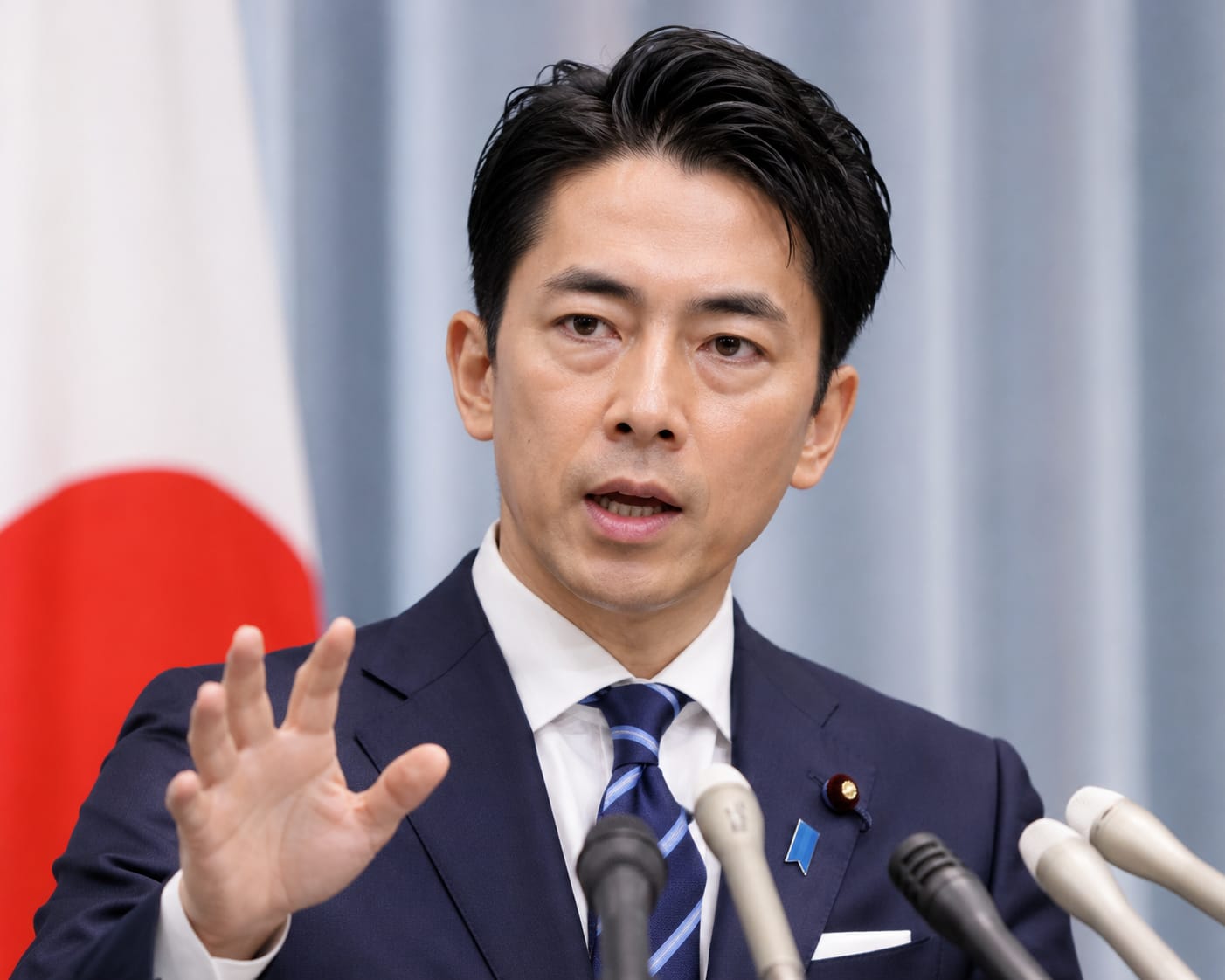
Next week, Japan’s Defense Minister Shinjiro Koizumi will embark on a journey to Turkey, marking an important step in the growing security collaboration between NATO and its partners in the Indo-Pacific. His visit coincides with the annual NATO summit, where he is set to participate in various events. The trip underscores the interconnectedness of security dynamics between the Euro-Atlantic and Indo-Pacific regions, with Koizumi emphasizing the importance of reinforcing international cooperation to uphold a free and open order based on legal principles.
The summit, spanning two days in Ankara, will convene leaders from NATO’s 32 member states, alongside defense ministers and representatives from the defense industry. The agenda focuses on discussions surrounding collective security and defense strategies. Notably, Koizumi will achieve a milestone as the first Japanese defense minister to take part in both a NATO defense industry forum and a defense ministers’ working dinner. This gathering is particularly significant as NATO Secretary General Mark Rutte has extended invitations to defense ministers from Japan, South Korea, Australia, and New Zealand—marking a first for the alliance’s Indo-Pacific partners to join such events.
Koizumi’s schedule during the visit includes bilateral meetings with defense officials from Turkey, the United Kingdom, and other allied nations. These discussions are expected to further bolster Japan’s security ties with NATO, which have been progressively strengthening over recent years. Japan’s focus has particularly been on areas like cybersecurity and maritime security, as global security challenges continue to evolve.
The backdrop to Japan’s increasing engagement with NATO comes amid a landscape of heightened global security concerns. There is a growing recognition of the links between developments in Europe and the Indo-Pacific, prompting Japan to deepen its cooperative efforts. The participation of Indo-Pacific partners in NATO functions signifies a broader commitment to addressing these shared security challenges collaboratively.