
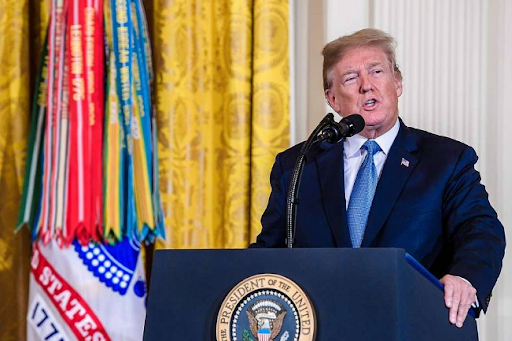
In one of the more striking claims of his State of the Union Address, President Trump alleged that the Iranian government has killed at least 32,000 of its own citizens during domestic protests, and said US intervention had prevented additional executions. The claim, delivered without detailed sourcing, was part of a broader indictment of the Iranian regime.
Trump called Iranian leaders “terrible people” and accused the government of hanging and shooting protesters. He said American pressure — specifically, a “threat of serious violence” — had halted further executions, presenting the intervention as both necessary and humanitarian.
The human rights accusations were woven into Trump’s broader argument for maintaining a hard line on Iran’s nuclear and missile programs. He said a regime capable of such violence against its own people cannot be trusted with weapons of mass destruction, and that preventing Iran from obtaining nuclear weapons is both a strategic and a moral imperative.
Trump also accused the Iranian government of sponsoring terrorism that has killed thousands of American service members, calling Iran the world’s foremost state sponsor of terror. He said this record of violence at home and abroad is the context in which the current nuclear negotiations must be understood.
Despite these accusations, Trump confirmed that two rounds of nuclear talks have taken place this month and that the US is willing to pursue a diplomatic resolution. His condition remains unchanged: Iran must publicly commit to never building a nuclear weapon. Until then, he said, the US will maintain pressure — diplomatic, economic, and military.