
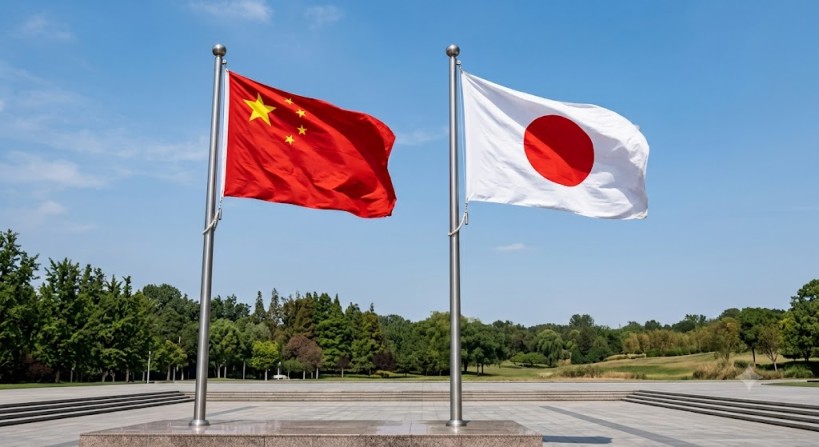
In a move that has stirred diplomatic tensions, China has imposed new export controls on 40 Japanese entities, accusing them of aiding Japan’s military advancements and efforts to rearm. The restrictions specifically target 20 Japanese companies and divisions, some of which are associated with major firms. These controls will prevent both Chinese and foreign exporters from supplying certain dual-use goods that can be utilized for both civilian and military applications.
Additionally, another set of 20 Japanese entities has been placed on a watch list by China. Exporters aiming to do business with these entities will now need to obtain special approvals, conduct thorough risk assessments, and ensure that the products sold will not be employed for military purposes. China’s government has defended these measures as a necessary step to curb what it perceives as Japan’s expanding military capabilities. Beijing has consistently voiced its alarm over Japan’s efforts to bolster its defense, particularly through the enhancement of long-range weapon systems and forging closer security ties with other nations.
Japan has reacted strongly to these developments, labeling China’s export controls as unacceptable and urging their immediate withdrawal. Japanese officials have indicated plans to assess the potential impacts of these restrictions and are considering suitable responses to address the situation. The relationship between Japan and China has become increasingly strained, especially following Japan’s decision to broaden its defense strategy and upgrade its military capabilities.
The issue is further complicated by China’s persistent objections to Japan’s security policies, particularly those related to Taiwan. Analysts suggest that while these restrictions might serve as a diplomatic signal rather than a comprehensive economic strategy, they underscore the fragile state of affairs between the two nations amidst broader regional security challenges.