
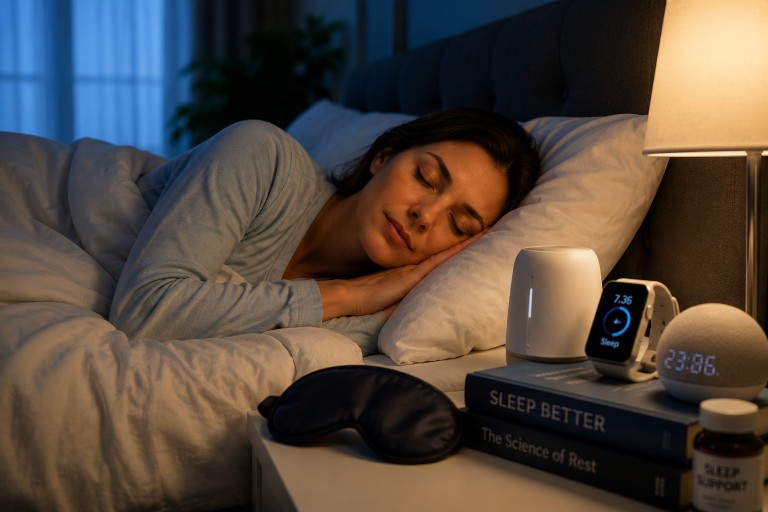
As the quest for better sleep intensifies, a thriving industry has emerged, offering a wide range of products aimed at enhancing rest. From high-tech sleep-tracking wearables and apps to advanced mattresses, weighted blankets, and sound machines, consumers are investing heavily in the hope of achieving more restful nights. However, specialists emphasize that despite their allure, these pricey gadgets and sleep aids cannot substitute the basic principles of good sleep hygiene. Factors such as stress, irregular schedules, excessive screen time, noise disturbances, uncomfortable room temperatures, and untreated sleep disorders can all disrupt sleep, regardless of the sophistication of the technology employed.
A cozy mattress, quality bedding, or a smartwatch might make the sleep environment more inviting and provide insights into sleep patterns, yet they have their limits. Chronic stress, anxiety, loud environments, erratic work hours, and underlying sleep issues demand more than just a new gadget or mattress. Over-reliance on sleep technology can even exacerbate sleep problems, as seen in the phenomenon of orthosomnia. This condition arises when individuals become overly preoccupied with achieving “perfect” sleep, often driven by an obsession with sleep tracker data, which can ironically make it more difficult to unwind at bedtime.
The sleep market is experiencing significant growth as people increasingly recognize the critical role that quality rest plays in overall health. Beyond traditional bedding solutions, the market now encompasses sleep-focused wearables, apps, smart beds, and wellness programs. Additionally, wellness-oriented hotels and sleep retreats are gaining popularity, underscoring a broader movement towards viewing sleep as an essential component of health rather than mere downtime.
While sleep trackers can offer a general overview of sleep habits, they fall short in addressing or resolving all the underlying causes of poor sleep. Stress from work, anxiety, late-night screen usage, caffeine consumption, irregular schedules, and certain health issues can all negatively impact sleep quality. Moreover, the “sleepmaxxing” trend, which involves using specific routines, products, diets, and technology to maximize sleep, is gaining traction online. Though some practices associated with this trend may be beneficial, experts advise against turning sleep into another area for performance optimization.
Despite an ever-expanding array of sleep products, the key to healthy sleep largely lies in maintaining consistent habits. Establishing a regular sleep and wake schedule, engaging in physical activity, managing stress, and reducing screen time before bed are foundational practices for achieving restful sleep. Creating a comfortable bedroom environment—quiet, dark, and at a suitable temperature—also contributes to better rest. Crucially, persistent or severe sleep disturbances should not be addressed solely with consumer products. Issues such as chronic sleep difficulties, loud snoring, breathing interruptions during sleep, or pronounced daytime fatigue may warrant professional medical evaluation.