
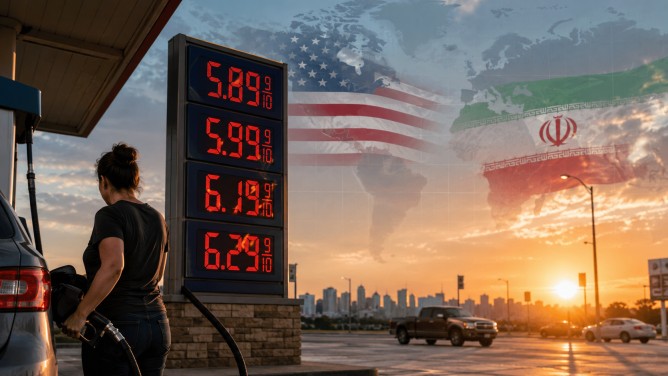
With diplomatic negotiations between the United States and Iran at an impasse, gasoline prices across the US have surged to unprecedented levels for August, raising concerns about energy supply disruptions tied to tensions in the Strait of Hormuz. The national average for a gallon of gasoline has risen to $4.06, marking an increase of approximately 5 cents from the previous week and about a dollar more than this time last year. States like California and Hawaii are experiencing even steeper prices, with averages climbing to around $5.50 per gallon.
The ongoing US-Israel conflict with Iran has kept oil prices elevated, exacerbated by disturbances in the critical Strait of Hormuz, a conduit for a significant portion of the world’s oil shipments. Brent crude oil prices previously reached a high of $112 per barrel before experiencing a slight decline, yet they remain considerably above last year’s levels. While there was a brief respite in gasoline prices when temporary accords eased US-Iran tensions, the current stall in negotiations has reignited concerns about a protracted conflict.
This latest price hike follows the failure of the US and Iran to secure an agreement on Iran’s nuclear ambitions within a designated 60-day diplomatic period. In a move that could further inflame the situation, Trump has issued new threats against Oman, escalating fears of additional regional instability. The ongoing uncertainty and potential for escalation contribute to the volatile energy market, influencing rising fuel costs.
American households are feeling the financial strain as these elevated fuel prices compound existing pressures from high living costs. Over the last six months, it is reported that Americans have spent tens of billions more on gasoline compared to pre-conflict expenditure levels. This sustained increase in fuel prices poses the risk of reigniting inflationary trends, should energy costs persist at these elevated levels for an extended duration.