
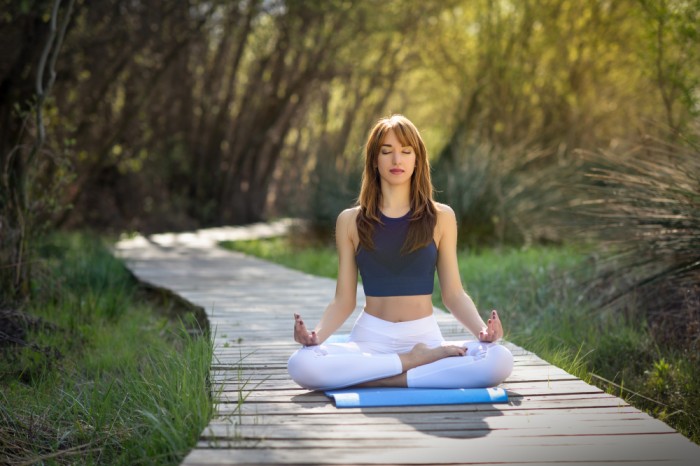
While yoga is commonly linked to physical postures and flexibility, its roots delve much deeper into the realms of philosophy and self-awareness. Originating from the Sanskrit term “yuj,” which means to unite, yoga is traditionally seen as a practice that harmonizes the body, mind, and spirit. Its teachings emphasize the unity of individual consciousness with a heightened state of awareness, championing the idea of slowing down to observe one’s thoughts and fostering inner balance.
The classical foundation of yoga is based on the teachings of Patanjali, who outlined an eightfold path known as the Eight Limbs of Yoga. These guiding principles offer a roadmap for leading a mindful and purposeful life. The first limb, Yama, involves ethical standards and how individuals interact socially, promoting values such as non-violence, truthfulness, and moderation. These principles aim to enhance relationships and nurture harmony in everyday interactions.
Niyama, the second limb, focuses on personal discipline and growth. It underscores the importance of self-discipline, cleanliness, gratitude, and self-reflection, emphasizing that true transformation stems from within through awareness and consistent practice. The third limb, Asana, refers to the physical postures of yoga, which are widely recognized today. However, traditional yoga perceives these postures as preparatory for meditation, aiming for not just physical strength, but also stability and comfort.
The fourth principle, Pranayama, involves breath control, connecting the body and mind through conscious breathing to enhance focus, calmness, and awareness. Many yoga traditions consider managing one’s breath crucial for emotional balance. Pratyahara, the fifth limb, suggests turning inward by reducing dependence on external distractions, thereby fostering self-awareness. Dharana, the sixth component, is about concentrating the mind on a single point, improving mental clarity and reducing scattered thoughts.
The path continues with Dhyana, representing a deeper meditative state where concentration flows continuously, encouraging calm awareness and inner stillness. The final limb, Samadhi, signifies the pinnacle of the yogic journey, embodying profound inner peace, complete focus, and a connection transcending the individual self. Together, these eight limbs illustrate that yoga goes beyond physical exercise to offer a comprehensive approach for achieving balance in life, encompassing physical health, mental discipline, and spiritual growth.