
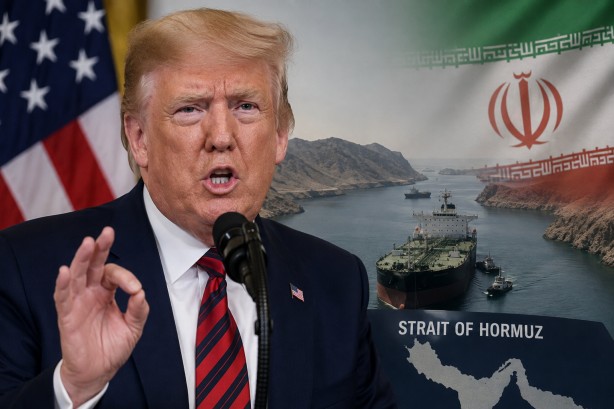
In a recent development, Iran has issued a stern warning to Gulf states that any new military action by the United States on Iranian soil could lead to retaliatory strikes on vital energy infrastructures throughout the Gulf region. This warning comes from discussions involving Iranian Foreign Minister Abbas Araqchi, who has engaged in talks with high-ranking officials from Saudi Arabia, Qatar, Turkey, and Pakistan. Araqchi’s message to these regional allies was clear: they should urge Washington to refrain from further military actions to avert a broader conflict.
The heightened tensions follow a statement by US President Donald Trump, who indicated that Iran’s energy infrastructure could be targeted. In response, Iran has emphasized its preference for diplomacy but remains resolute in its readiness to retaliate if attacked. As part of this warning, Iran has conveyed that any aggression on its territory would lead to strikes on American assets and critical energy facilities in the region, raising concerns about potential disruptions to Gulf energy supplies and increasing instability.
Saudi Arabia, in particular, has been vocal about the need for the US to engage in negotiations to resolve the tensions peacefully. While urging Washington to avoid further escalation, Saudi Arabia has also made it clear that it would protect itself should its territory come under threat. This stance underscores a regional desire to avoid a conflict that could have far-reaching implications for global energy markets.
The potential Iranian retaliation could target key elements such as oil facilities, refineries, power grids, water infrastructure, transport networks, and oil fields, underlining the serious threat to the Gulf’s critical infrastructure. This situation has prompted regional leaders to focus on diplomatic solutions to prevent a wider conflict that could jeopardize the stability of energy markets worldwide.
The ongoing diplomatic efforts reflect a collective regional interest in maintaining peace and stability, as any escalation could have devastating effects not only locally but also on the global stage. As discussions continue, the hope remains for a resolution that prioritizes dialogue over military confrontation.