
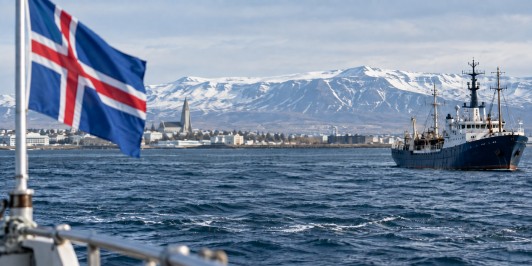
Iceland is moving towards a significant shift in its environmental policy with plans to introduce a legislative measure that would permanently ban commercial whaling. This initiative, if passed, would align Iceland with the global movement against whaling for commercial purposes, leaving Japan and Norway as the last countries to engage in this practice. The Icelandic government intends to present this bill to parliament in February, marking a potential end to a contentious issue that has sparked ongoing debate and opposition from animal welfare and conservation organizations.
Currently, Iceland’s whaling activities focus predominantly on fin whales, a species labeled as vulnerable. Despite the international moratorium on commercial whaling established in 1986, Iceland resumed its whaling operations in 2006, operating under government-sanctioned quotas. These hunts, which occur between June and September, have continued to draw criticism from environmental and animal rights groups worldwide. The proposed legislation to end these hunts permanently has garnered strong support from these groups, which raise ethical, environmental, and conservation concerns as part of their advocacy.
This legislative initiative would align Iceland more closely with the international community’s stance on protecting whale populations. Norway, having resumed its commercial whaling in 1993, and Japan, which left the International Whaling Commission in 2019 to restart whaling in its own waters, would stand alone in continuing this practice should Iceland enact the proposed ban. The move is seen as a significant step towards global conservation efforts, as it reflects growing environmental consciousness and responsibility.
The international moratorium on commercial whaling, however, does not extend to indigenous communities in certain regions. These communities, located in parts of Greenland and Alaska, are permitted to hunt whales due to nutritional, cultural, and traditional reasons. This exception underscores the delicate balance between conservation efforts and respecting indigenous traditions.
If Iceland’s legislative body approves the proposed ban, it would mark a pivotal moment in the country’s environmental policy and contribute to a broader global effort to halt the decline of whale populations. The decision would not only impact Iceland’s whaling industry but also set a precedent for other nations grappling with similar ethical and environmental dilemmas.